-
Libya
In 2013, the Libyan government launched the Renewable Energy Strategic 2013-2025 Plan, which aims to achieve 7% renewable energy contribution to the electric energy mix by 2020 and 10% by 2025. This will come from wind, Concentrated Solar Power, solar PV and solar heat.
- Overview
- Energy mix
- Emissions
- Electricity
-
+ 5 pages

![Libya Flag]()
-
Uganda
In 2019, Uganda’s energy mix was dominated by fuel wood and charcoal followed by a small share of oil products. The country produces electricity mainly from hydroelectric plants. Between 2017 and 2019, electrification outpaced population growth in Uganda. However in 2020, less than 5% of the population had access to clean cooking.
The Electricity Connection Policy was introduced in 2018 with the ambition of increasing Uganda’s electricity access to 60 percent by 2027 through connection subsidies for consumers located close to the existing network. About 300,000 households and businesses have received free electricity connections, benefiting 1.5…- Overview
- Energy mix
- Emissions
- Electricity
-
+ 5 pages
![Uganda Flag]()
-
Pakistan
In Pakistan, most of the primary energy supply comes from oil and natural gas. Hydropower is the main renewable source of energy in the country but wind and solar PV’s shares are slowly growing. More than 40 million people remain without access to electricity and half the population lack access to clean cooking facilities.
- Overview
- Energy mix
- Emissions
- Electricity
-
+ 5 pages

![Pakistan Flag]()
-
Sri Lanka
Sri Lanka’s primary energy supply mainly comes from oil and coal. Almost 40% of Sri Lanka’s electricity came from hydropower in 2017 but coal’s shares in power generation has been increasing since 2010. Sri Lanka is reaching universal access to electricity but clean cooking remain an issue with 15 million people still relying on biomass to cook.
- Overview
- Energy mix
- Emissions
- Electricity
-
+ 5 pages
![Sri Lanka Flag]()
-
Ghana
In Ghana, electrification rates have gradually increased over the past 20 years, reaching almost 85% in 2017 and building on successful electrification plans. The country relies on a diversified energy mix and hosts the largest hydropower project of the Western African region.
- Overview
- Energy mix
- Emissions
- Electricity
-
+ 5 pages
![Ghana Flag]()
-
Algeria
Algeria is a large oil and gas producer and exporter. In 2015, the country updated its Renewable Energy and Energy Efficiency Development Plan to 2030, and put greater focus on the deployment of large-scale renewables, including solar PV and onshore wind installations, through various incentive measures.
- Overview
- Energy mix
- Emissions
- Electricity
-
+ 5 pages
![Algeria Flag]()
-
Oman
Oman’s energy supply is entirely generated by nationally-produced natural gas and oil products and the country is a large exporter of oil and gas. The government has recently launched the “Residential PV Initiative" to foster the private use of solar PV.
- Overview
- Energy mix
- Emissions
- Electricity
-
+ 5 pages

![Oman Flag]()
-
Peru
Peru’s government identified the development of electricity from renewable energy sources as a public necessity of national interest. The country established a National Renewable Energy Development Plan to be funded by the Annual Budget Law, external debt operations, direct investments and contributions from international institutions.
- Overview
- Energy mix
- Emissions
- Electricity
-
+ 5 pages

![Peru Flag]()
-
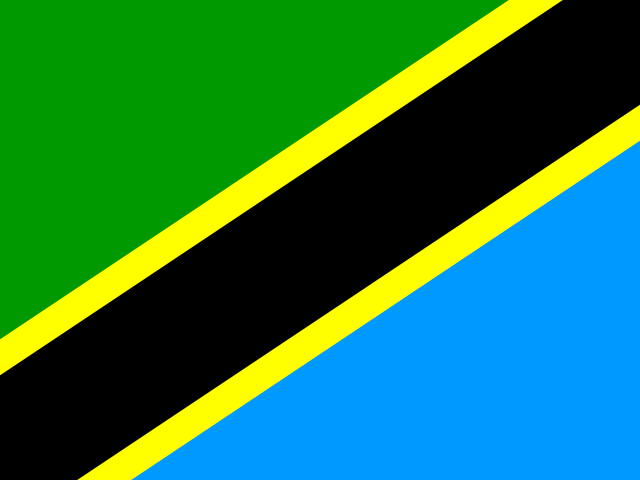
Tanzania
Electricity access in Tanzania increased from around 13% in 2008 to 32% in 2017. The government is supporting the private sector to develop its electricity market, enhancing the role of renewable energy in the energy mix and increasing rural electricity access.
- Overview
- Energy mix
- Emissions
- Electricity
-
+ 5 pages
![Tanzania Flag]()
-
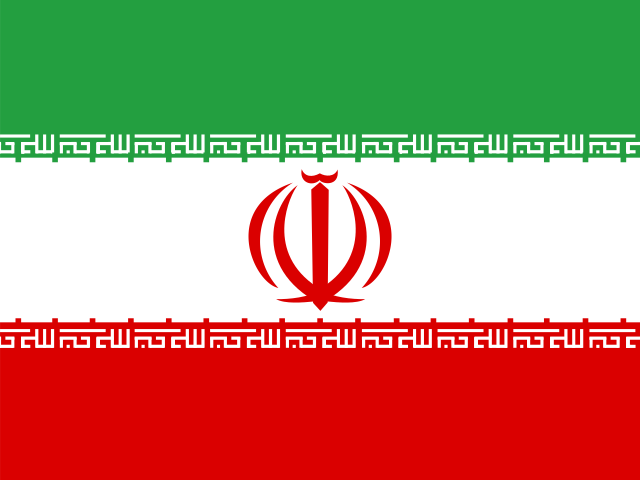
Iran
Iran has in place legislation obliging the Minister of Energy to increase the share of renewables and clean power plants to at least 5% of the country's capacity until the end of 2021.
- Overview
- Energy mix
- Emissions
- Electricity
-
+ 5 pages
![Iran Flag]()