-
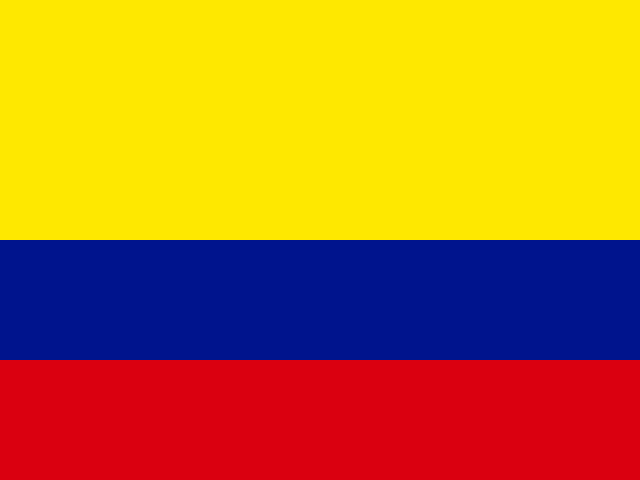
Colombia
Colombia launched the Energy Plan 2050 in 2016 , which aims to diversify the country’s energy resources and ensure a reliable energy supply by including wind power plants, solar PV and geothermal energy generation in the country's electric mix.
- Overview
- Energy mix
- Emissions
- Electricity
-
+ 5 pages

![Colombia Flag]()
-
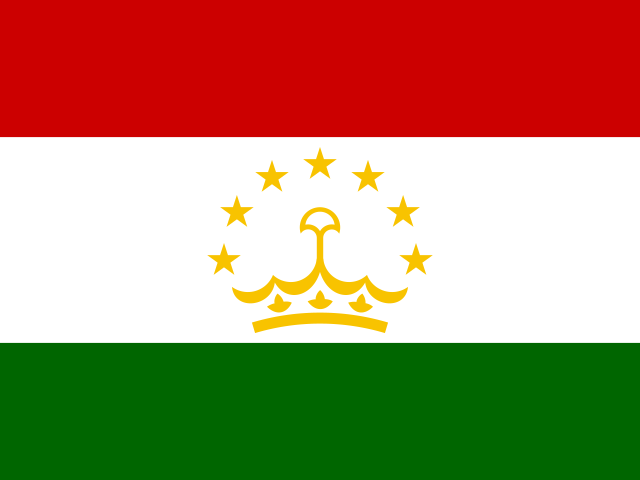
Tajikistan
Hydropower is the main source of energy in Tajikistan, followed by imported oil, gas and coal. However, Tajikistan's energy sector is prone to supply shocks, due to seasonal shortages. Energy policy focuses on providing uninterrupted energy access to all users while improving regional co‑operation and energy sector efficiency, but significant domestic and foreign investment will be necessary for continued energy sector development. Tajikistan is part of the EU4Energy Programme, an initiative focused on evidence-based policymaking for the energy sector.
- Overview
- Energy mix
- Emissions
- Electricity
-
+ 5 pages

![Tajikistan Flag]()
-
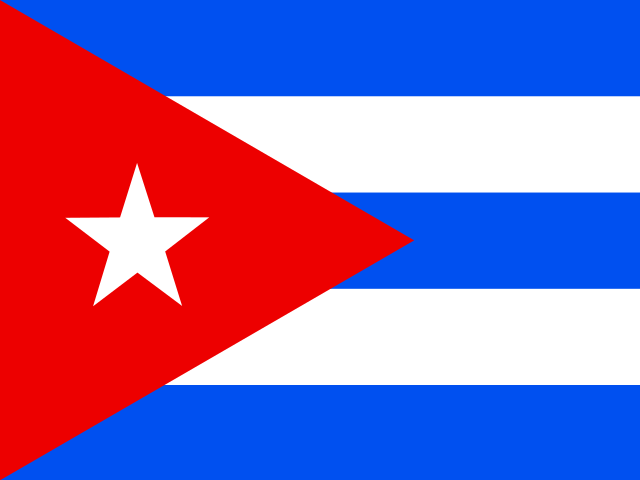
Cuba
Cuba’s energy supply mainly comes from oil products, accounting for over 80% of power generation.
- Overview
- Energy mix
- Emissions
- Electricity
-
+ 5 pages
![Cuba Flag]()
-
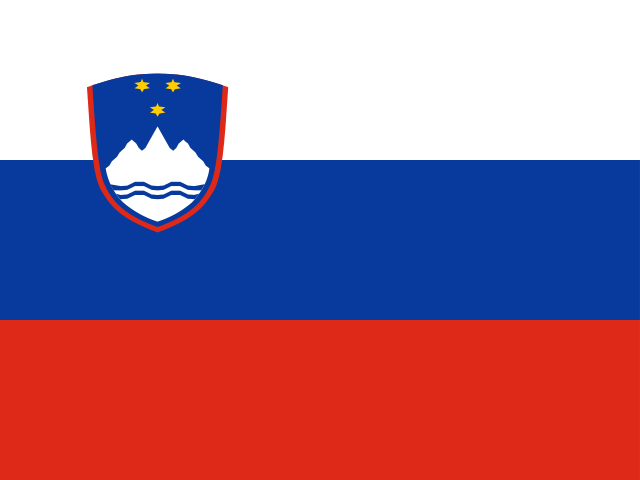
Slovenia
Slovenia has put in place a National Renewable Action Plan to 2020, which targets a 25% share of energy generation from renewable sources in gross final energy consumption and 39% of electricity demand met by electricity generated from renewable energy sources.
- Overview
- Energy mix
- Emissions
- Electricity
-
+ 5 pages

![Slovenia Flag]()
-
Montenegro
The Energy Development Strategy of Montenegro sets out objectives and defines mechanisms for the transition from the current energy system to a safe, competitive and environmentally acceptable energy paradigm by 2025. It also provides guidelines for the development of the energy sector with the aim of attracting investors.
Data for Montenegro is included under Serbia until 2004.- Overview
- Energy mix
- Emissions
- Electricity
-
+ 5 pages
![Montenegro Flag]()
-
Iceland
In 2007, the Icelandic government released a Climate Change Strategy conceived as a framework for action and government involvement in climate change issues, and setting forth a long-term goal of reducing net greenhouse gas emissions by 50 to 75% of 1990 levels by 2050.
- Overview
- Energy mix
- Emissions
- Electricity
-
+ 5 pages
![Iceland Flag]()
-
Mexico
Mexico’s energy and economic profile presents both challenges and opportunities as a major oil producer, exporter and through its growing domestic energy demand. Mexico was the first large oil producing emerging economy to adopt climate legislation in 2012 and has seen growth in renewable electricity generation from wind and solar, which almost tripled from 2015 to 2022. However, strong action is needed across all sectors to reduce reliance on fossil fuels and bring down greenhouse gas emissions.
- Overview
- Energy mix
- Emissions
- Electricity
-
+ 5 pages

![Mexico Flag]()
-
Madagascar
Around a quarter of the population of Madagascar has access to electricity, and only 1.5% has access to clean cooking facilities. In 2019, Madagascar’s energy mix was dominated by biofuels and wastes (85%), with oil products (11%), coal and hydro accounting for the rest of the total energy supply. In 2020, less than 5% of the population had access to clean cooking and 27% had access to electricity. The Government of Madagascar has set a target of reaching 70% electricity access rate by 2030.
- Overview
- Energy mix
- Emissions
- Electricity
-
+ 5 pages

![Madagascar Flag]()
-
Gabon
Almost two-thirds of the population of Gabon has access to electricity. The country can partially rely on its 150 thousand barrels per day hydrocarbon liquids production and has recently implemented a new petroleum legislation.
- Overview
- Energy mix
- Emissions
- Electricity
-
+ 5 pages
![Gabon Flag]()
-
Malta
The National energy policy of Malta was launched in December 2012. It lists decisions and actions that have already been implemented as well as measures aiming to ensure the sustainability of Malta's energy sector.
- Overview
- Energy mix
- Emissions
- Electricity
-
+ 5 pages
![Malta Flag]()