-
Ecuador
In Ecuador, The Energy Efficiency National Plan 2016-2035 presents an inter-sectoral plan for energy efficiency, policies in transport, industry, residence, production, generation and all energy consumption sectors. In 2013, a new feed-in tariff scheme for renewable energy projects also entered into force.
- Overview
- Energy mix
- Emissions
- Electricity
-
+ 5 pages

![Ecuador Flag]()
-
Panama
Panama's National Energy Plan 2015–2050 outlines long-term strategy for the country’s energy sector development, including renewables. The Plan established that 15% of Panama’s generation capacity will come from renewables by 2030 and 50% by 2050.
- Overview
- Energy mix
- Emissions
- Electricity
-
+ 5 pages
![Panama Flag]()
-
Kazakhstan
Kazakhstan is a significant producer of coal, crude oil and natural gas, and a major energy exporter. While coal dominates the country’s energy mix, renewable sources of energy are a small but growing share of Kazakhstan’s electricity generation. Gas pipeline network expansion remains a priority, in order to expand access and reduce reliance on coal and LPG for household consumption. Kazakhstan is part of the EU4Energy Programme, an initiative focused on evidence-based policymaking for the energy sector.
- Overview
- Energy mix
- Emissions
- Electricity
-
+ 5 pages

![Kazakhstan Flag]()
-
Peru
Peru’s government identified the development of electricity from renewable energy sources as a public necessity of national interest. The country established a National Renewable Energy Development Plan to be funded by the Annual Budget Law, external debt operations, direct investments and contributions from international institutions.
- Overview
- Energy mix
- Emissions
- Electricity
-
+ 5 pages
![Peru Flag]()
-
Finland
Finland has one of the most ambitious climate targets, a legal obligation to reach carbon neutrality by 2035. It is making progress towards this target and has one of the lowest levels of reliance on fossil fuels among IEA member countries. Finland’s forests, which historically offset significant greenhouse gas emissions, have become a net emissions source. A continued push towards the energy transition is needed, as imported fossil fuels still account for over one-third of energy supply and cover higher shares in transport and key industries.
- Overview
- Energy mix
- Emissions
- Electricity
-
+ 5 pages

![Finland Flag]()
-
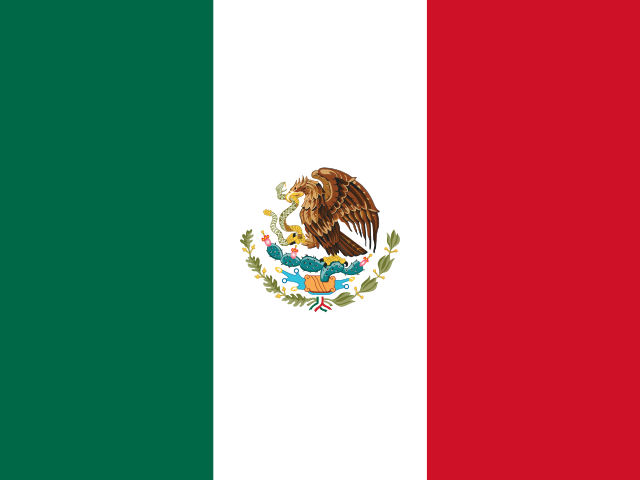
Mexico
Mexico’s energy and economic profile presents both challenges and opportunities as a major oil producer, exporter and through its growing domestic energy demand. Mexico was the first large oil producing emerging economy to adopt climate legislation in 2012 and has seen growth in renewable electricity generation from wind and solar, which almost tripled from 2015 to 2022. However, strong action is needed across all sectors to reduce reliance on fossil fuels and bring down greenhouse gas emissions.
- Overview
- Energy mix
- Emissions
- Electricity
-
+ 5 pages

![Mexico Flag]()
-
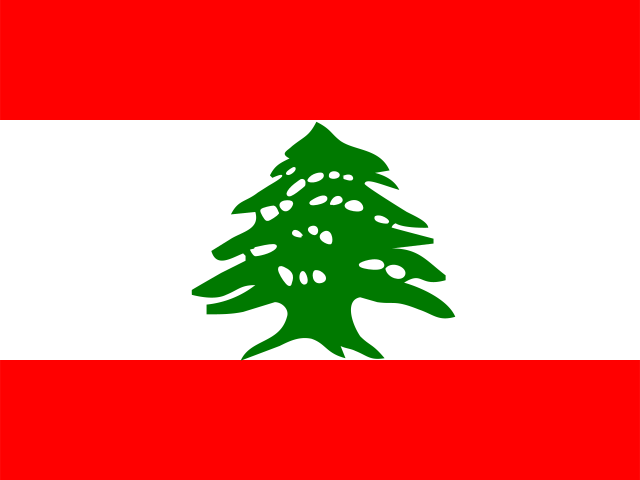
Lebanon
The government of Lebanon launched the "National Energy Efficiency and Renewable Energy Action" in 2010 a mechanism dedicated to the financing of green energy projects in the country. Private sector entities can apply for subsidised loans for any type of environmentally friendly projects.
- Overview
- Energy mix
- Emissions
- Electricity
-
+ 5 pages

![Lebanon Flag]()
-
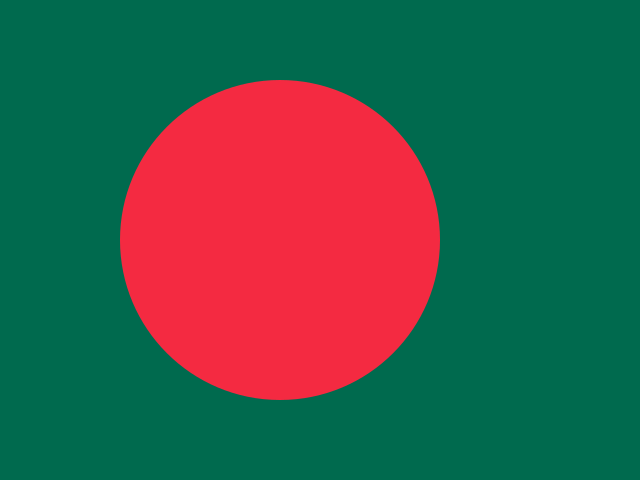
Bangladesh
In Bangladesh, electricity is available for 85% of the population, up from 20% in 2000. Gas accounts for the majority of the country’s electricity production, even though wind, hydropower and solar PV shares are growing. Bangladesh has also implemented energy policy incentives towards the deployment of renewables.
- Overview
- Energy mix
- Emissions
- Electricity
-
+ 5 pages

![Bangladesh Flag]()
-
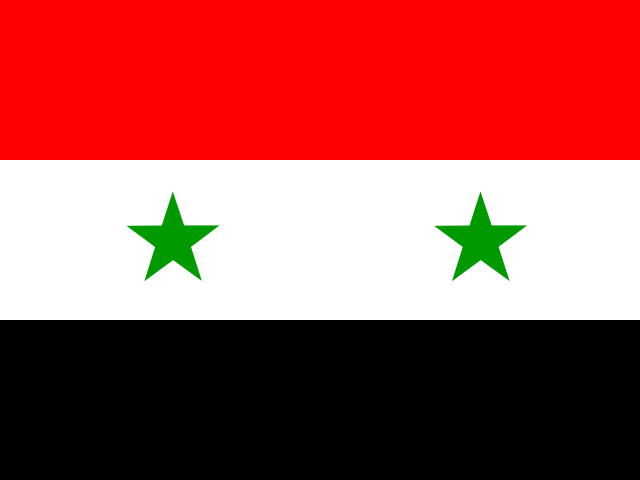
Syria
The 2009 Syrian Law on Energy Conservation aims to fulfil the sustainable development requirements of the country and deploy various renewable energy applications. Private and public institutions must commit to energy efficiency practices, use renewables and high energy- efficiency equipment.
- Overview
- Energy mix
- Emissions
- Electricity
-
+ 5 pages
![Syria Flag]()
-
Sri Lanka
Sri Lanka’s primary energy supply mainly comes from oil and coal. Almost 40% of Sri Lanka’s electricity came from hydropower in 2017 but coal’s shares in power generation has been increasing since 2010. Sri Lanka is reaching universal access to electricity but clean cooking remain an issue with 15 million people still relying on biomass to cook.
- Overview
- Energy mix
- Emissions
- Electricity
-
+ 5 pages
![Sri Lanka Flag]()