-
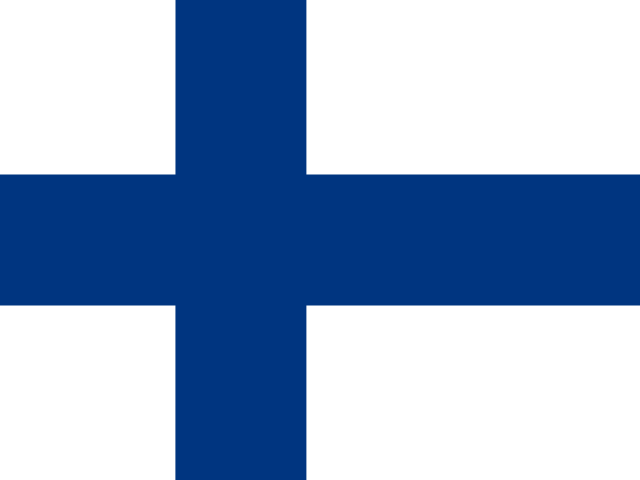
Finland
Finland has one of the most ambitious climate targets, a legal obligation to reach carbon neutrality by 2035. It is making progress towards this target and has one of the lowest levels of reliance on fossil fuels among IEA member countries. Finland’s forests, which historically offset significant greenhouse gas emissions, have become a net emissions source. A continued push towards the energy transition is needed, as imported fossil fuels still account for over one-third of energy supply and cover higher shares in transport and key industries.
- Overview
- Energy mix
- Emissions
- Electricity
-
+ 5 pages

![Finland Flag]()
-
Spain
Spain is at the forefront of the energy transition due to its energy and climate change policies. The current Spanish framework for energy and climate is based on the 2050 objectives of national climate neutrality, 100% renewable energy in the electricity mix and 97% renewable energy in the total energy mix. As such, it is centred on the massive development of renewable energy, particularly solar, wind and renewable hydrogen, increasing energy efficiency and improving electrification. This is an opportunity for the country to not only stimulate the economy and by creating jobs through the modernisation of industry, but also to…
- Overview
- Energy mix
- Emissions
- Electricity
-
+ 5 pages
![Spain Flag]()
-
Hungary
Hungary was among the first countries globally, in June 2020, to make a legal commitment to become carbon neutral by 2050 and plans to phase out coal by 2030 at the latest. Enhanced energy efficiency, increased renewable and nuclear electricity and electrification of end-use sectors are identified as the key drivers towards the 2050 target. Hungary plans to build two new nuclear unit and while solar PV has grown notably, wind lacks behind its potential but the change in siting limits for wind turbines are likely to have a positive impact on the sector.
- Overview
- Energy mix
- Emissions
- Electricity
-
+ 5 pages
![Hungary Flag]()
-
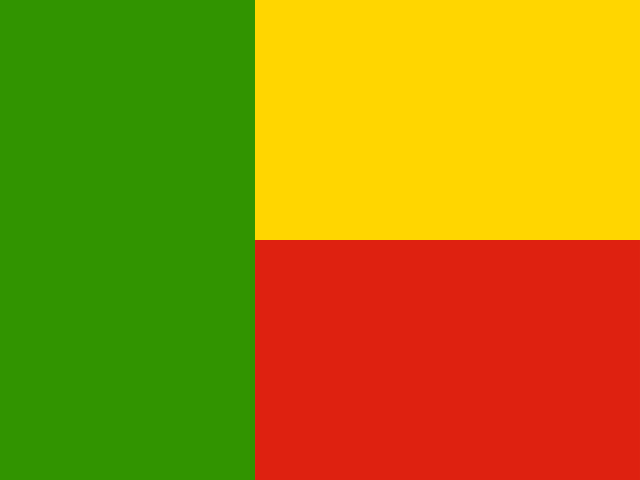
Benin
Benin is reliant on electricity imports for a significant share of its energy supply. Reform programmes, including plans for electrification, have been put in place in the country, where only 30% of the population had access to electricity in 2017.
- Overview
- Energy mix
- Emissions
- Electricity
-
+ 5 pages

![Benin Flag]()
-
Mauritius
The energy mix in Mauritius is dominated by coal and oil. Almost 10% of the country's final energy consumption is generated by modern renewable sources of energy – a share that has gradually decreased for the past 20 years.
- Overview
- Energy mix
- Emissions
- Electricity
-
+ 5 pages
![Mauritius Flag]()
-
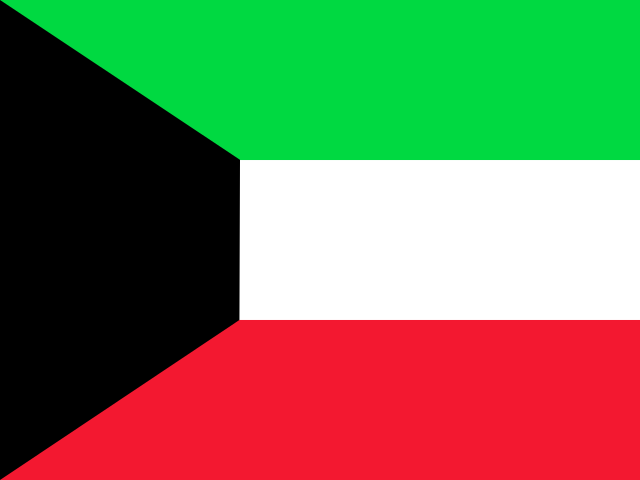
Kuwait
Kuwait is wholly reliant on fossil fuels for energy generation and by 2030, its energy demand will triple. In order to diversify its energy mix, the country targets to increase the share of renewable generation to 15% by 2030.
- Overview
- Energy mix
- Emissions
- Electricity
-
+ 5 pages

![Kuwait Flag]()
-
Lithuania
Lithuania has undergone several energy transitions over the past decade. Despite importing a large share of its electricity, the country successfully ended its reliance on Russian energy imports in March 2022. Along with its neighbours, Estonia and Latvia, Lithuania disconnected from the Russian electricity system and completed the synchronisation of its grid with the Continental European Synchronous Area (CESA) in February 2025. By 2030, Lithuania aims to shift from being an electricity importer to becoming a net exporter. Although the country’s energy consumption still depends heavily on imported fossil fuels, the share of bioenergy in the domestic energy supply…
- Overview
- Energy mix
- Emissions
- Electricity
-
+ 5 pages
![Lithuania Flag]()
-
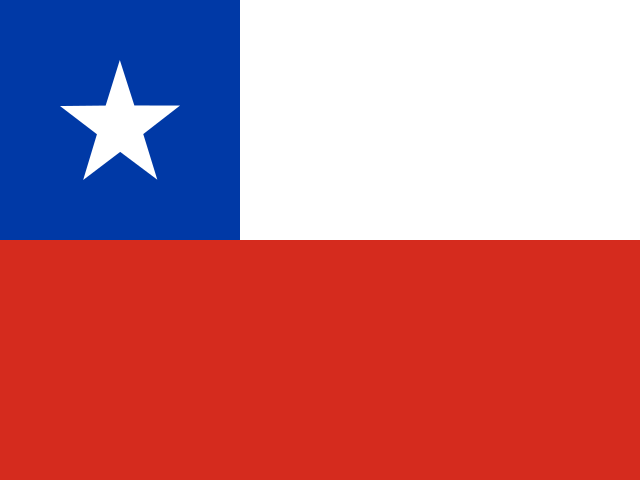
Chile
Chile’s energy policy has evolved dynamically in recent years. In response to changes in the domestic and international environment, significant institutional and policy reforms as well as major infrastructure projects have been carried out. In 2022, Chile’s Ministry of Energy published an update to its the Long-Term Energy Policy (PELP, first published in 2015), which re-emphasises the pledge to net-zero, laying out a clear decarbonisation pathway that addresses all sectors of the national economy.
Based on its excellent renewable energy resources, Chile has taken a globally leading role in clean energy, and emerged as a…- Overview
- Energy mix
- Emissions
- Electricity
-
+ 5 pages

![Chile Flag]()
-
Ukraine
Ukraine is a key country for European and global energy security. Russia’s invasion of Ukraine has pushed it to fundamentally reshape its past dependence on energy imports from Russia.
As the invasion continues, Ukraine is focused on tracking large-scale energy supply disruptions and actively working to recover power and heating for civilians. It is also putting together an ambitious recovery and reconstruction plan, with a strong focus on energy security. In the medium-term, Ukraine’s energy strategy remains focused on European integration, while it aims to an energy system that is ready for a Net Zero future…- Overview
- Energy mix
- Emissions
- Electricity
-
+ 5 pages
![Ukraine Flag]()
-
Viet Nam
In recent years, Viet Nam has increased its non-hydro renewable capacity targets in its power development plan, from 9.4% to 21% of total installed capacity in 2030, and decreased the share of coal-fired capacity from 52% to 43%.
- Overview
- Energy mix
- Emissions
- Electricity
-
+ 5 pages

![Viet Nam Flag]()