-
Croatia
Croatia's National Energy Strategy 2009-2020 has three basic objectives: increase security of energy supply, develop competitive energy system and ensure sustainable energy sector development. These objectives are particularly important for the country, as it is heavily dependent on energy imports, resulting in its vulnerability to energy prices fluctuations.
- Overview
- Energy mix
- Emissions
- Electricity
-
+ 5 pages

![Croatia Flag]()
-
Israel
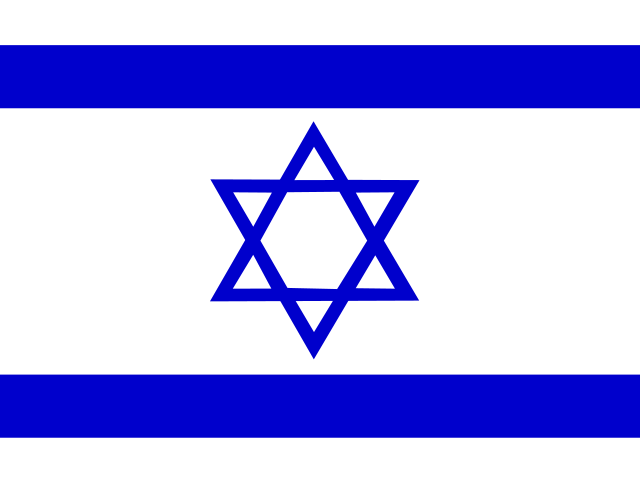
Israel endorsed a target of generating 10% of the country’s electricity from renewable sources in 2020. Solar thermal and photovoltaic power plants are expected to account for over 70% of total generation, with the remainder deriving from household PV units, wind energy and biomass.
The statistical data for Israel are supplied by and under the responsibility of the relevant Israeli authorities. The use of such data by the OECD is without prejudice to the status of the Golan Heights, East Jerusalem and Israeli settlements in the West Bank under the terms of international law.- Overview
- Energy mix
- Emissions
- Electricity
-
+ 5 pages
![Israel Flag]()
-
Azerbaijan
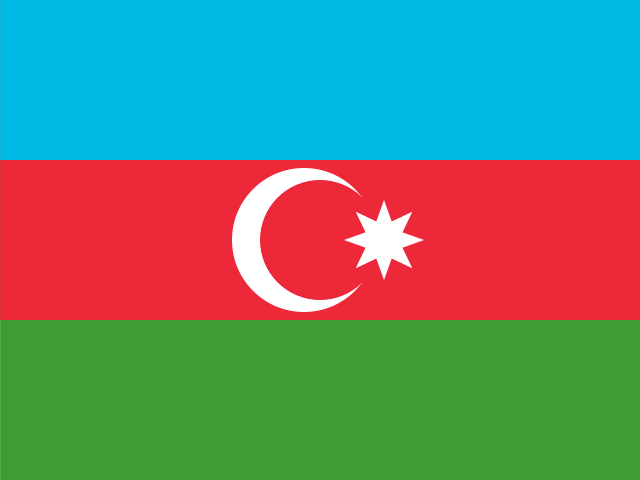
Azerbaijan has one of the highest energy self-sufficiency ratios in the world as a major crude oil and natural gas producer. While the renewable sector has not seen as much attention, the government is now looking to stimulate investment and accelerate deployment, allowing for diversification of domestic energy consumption. In addition, the government is working on a new energy strategy that will set the stage for further policy shifts. Azerbaijan is part of the EU4Energy Programme, an initiative focused on evidence-based policymaking for the energy sector.
- Overview
- Energy mix
- Emissions
- Electricity
-
+ 5 pages

![Azerbaijan Flag]()
-
Brunei Darussalam
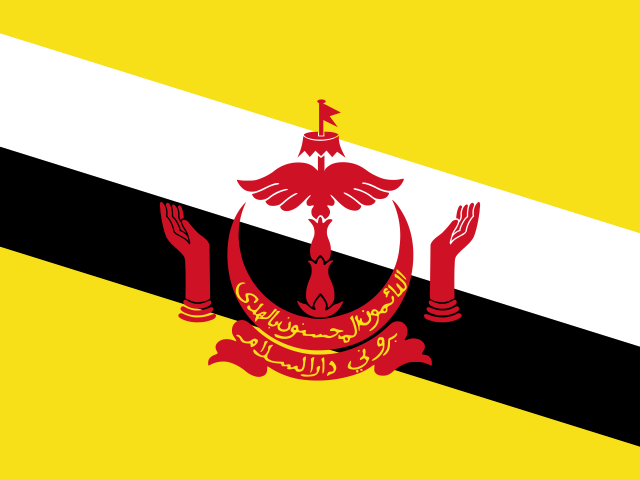
In 2014, Brunei adopted a strategic plan to achieve 10% share of renewables in the national energy mix by 2035. The plan provides the outline to introduce renewable energy policy and regulatory frameworks and to scale-up market deployment of solar PV.
- Overview
- Energy mix
- Emissions
- Electricity
-
+ 5 pages

![Brunei Darussalam Flag]()
-
Laos
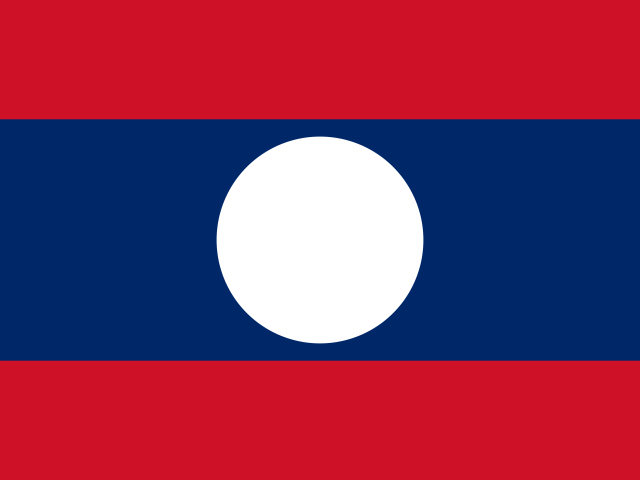
Laos’ 2011 Renewable Energy Development Strategy aims to achieve a renewable energy share of 30% in total energy consumption by 2025. The policy encourages investment in renewables and small power development for self-sufficiency and grid connection.
- Overview
- Energy mix
- Emissions
- Electricity
-
+ 5 pages
![Laos Flag]()
-
Serbia
In Serbia, the National Renewable Energy Action Plan set targets of renewable energy sources use until 2020, as well as the pathway to achieve them. Among other things, it enhances investments towards the development of renewables.
Data for Serbia includes Montenegro until 2004.- Overview
- Energy mix
- Emissions
- Electricity
-
+ 5 pages
![Serbia Flag]()
-
United States
The United States introduced major energy and climate policy reforms which put the country on a path towards a clean, secure and affordable energy system for a net zero economy. The reforms aim to strengthen infrastructure deployment and resilience, include a major focus on clean energy manufacturing, improving diverse supply chains and affordability, enhancing equity and the creation of high-quality clean energy jobs.
The US plays a significant role in supporting international energy security as the world’s largest producer of oil and exporter of liquified natural gas. A wave of clean energy investment means the US is today…- Overview
- Energy mix
- Emissions
- Electricity
-
+ 5 pages

![United States Flag]()
-
Bulgaria
Bulgaria adopted The Energy from Renewable Sources Act in 2011. The Act regulates the generation and consumption of energy from renewable sources with the aim of achieving the national targets in terms of renewable energy use in final gross energy consumption.
- Overview
- Energy mix
- Emissions
- Electricity
-
+ 5 pages
![Bulgaria Flag]()
-
Madagascar
Around a quarter of the population of Madagascar has access to electricity, and only 1.5% has access to clean cooking facilities. In 2019, Madagascar’s energy mix was dominated by biofuels and wastes (85%), with oil products (11%), coal and hydro accounting for the rest of the total energy supply. In 2020, less than 5% of the population had access to clean cooking and 27% had access to electricity. The Government of Madagascar has set a target of reaching 70% electricity access rate by 2030.
- Overview
- Energy mix
- Emissions
- Electricity
-
+ 5 pages

![Madagascar Flag]()
-
Guatemala
The National Energy Plan of Guatemala defines the promotion of renewables as a priority. The plan aims to promote the use of clean and environmentally friendly energy for domestic consumption without losing sight of energy security and the need for supplying electricity at competitive prices.
- Overview
- Energy mix
- Emissions
- Electricity
-
+ 5 pages

![Guatemala Flag]()