-
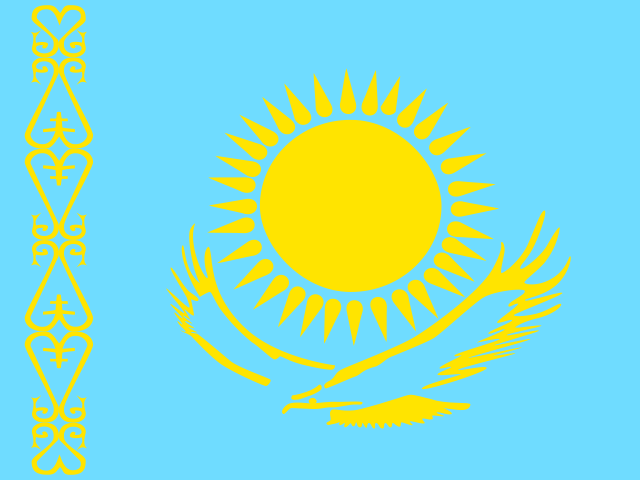
Kazakhstan
Kazakhstan is a significant producer of coal, crude oil and natural gas, and a major energy exporter. While coal dominates the country’s energy mix, renewable sources of energy are a small but growing share of Kazakhstan’s electricity generation. Gas pipeline network expansion remains a priority, in order to expand access and reduce reliance on coal and LPG for household consumption. Kazakhstan is part of the EU4Energy Programme, an initiative focused on evidence-based policymaking for the energy sector.
- Overview
- Energy mix
- Emissions
- Electricity
-
+ 5 pages

![Kazakhstan Flag]()
-
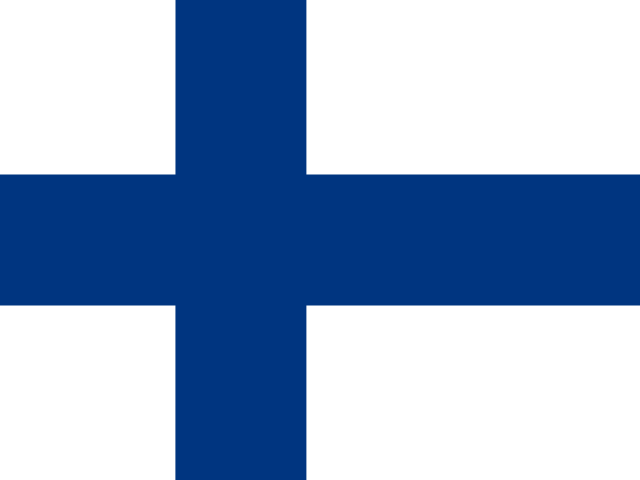
Finland
Finland has one of the most ambitious climate targets, a legal obligation to reach carbon neutrality by 2035. It is making progress towards this target and has one of the lowest levels of reliance on fossil fuels among IEA member countries. Finland’s forests, which historically offset significant greenhouse gas emissions, have become a net emissions source. A continued push towards the energy transition is needed, as imported fossil fuels still account for over one-third of energy supply and cover higher shares in transport and key industries.
- Overview
- Energy mix
- Emissions
- Electricity
-
+ 5 pages

![Finland Flag]()
-
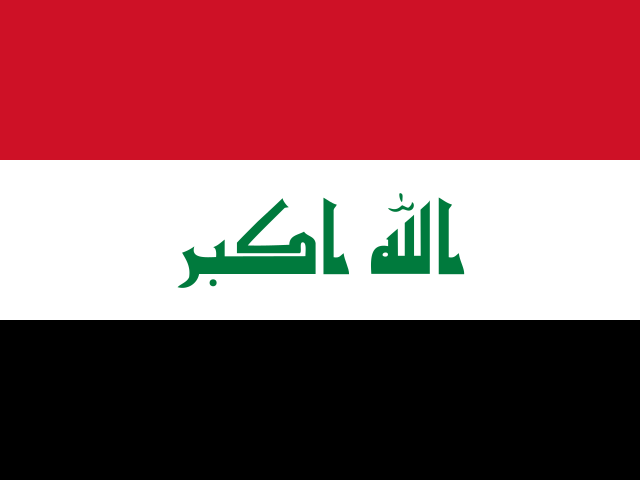
Iraq
Iraq holds abundant oil and gas resources and has strong solar PV potential. Its production to 2030 is set to be third largest contributor to global oil supply. By the same year, the government expects that renewable capacity will amount for 5% of the country’s total system capacity.
- Overview
- Energy mix
- Emissions
- Electricity
-
+ 5 pages

![Iraq Flag]()
-
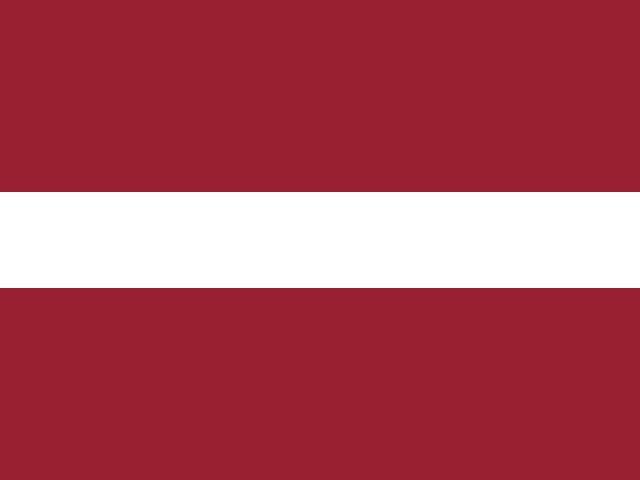
Latvia
Latvia is undertaking its energy transition with some promising results to date, with the goal to reduce total greenhouse gas emissions (without land use, land-use change and forestry) by 65% from 1990 levels by 2030 and to achieve net zero by 2050. It has made inroads on the share of renewable energy in its fuel mix, with sizeable shares of bioenergy and hydropower.
Renewable energy sources dominate its electricity mix, in particular, accounting for around three-quarters of domestic generation. Other sectors, notably transport and buildings, continue to consume large amounts of energy and rely on dated infrastructure that…- Overview
- Energy mix
- Emissions
- Electricity
-
+ 5 pages
![Latvia Flag]()
-
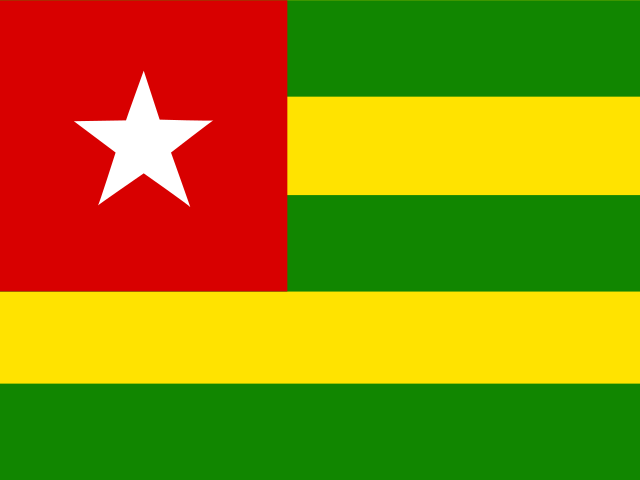
Togo
Less than half of the Togolese population has access to electricity. The country has a relatively diversified energy mix and more than 13% of its final energy consumption comes from renewable supplies of energy, mainly hydropower.
- Overview
- Energy mix
- Emissions
- Electricity
-
+ 5 pages

![Togo Flag]()
-
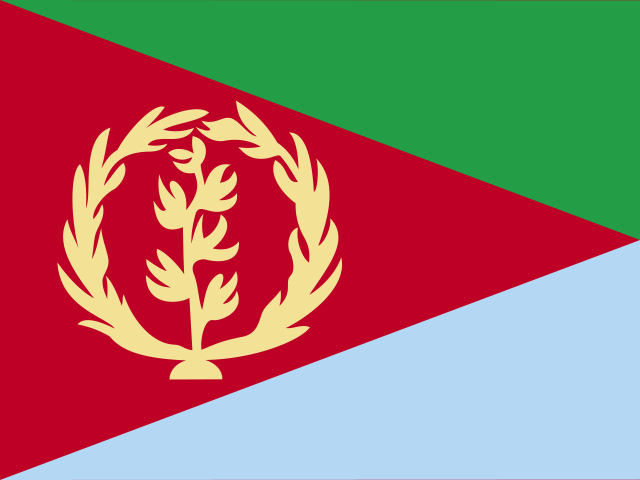
Eritrea
Less than half of the population of Eritrea has access to electricity. Most of the country's electricity generation comes from imported oil.
- Overview
- Energy mix
- Emissions
- Electricity
-
+ 5 pages
![Eritrea Flag]()
-
Nigeria
Nigeria is the largest economy and the richest oil resource centre of the African continent. The country also remains the largest gas consumer and producer of West Africa. Notable power sector reforms are underway in Nigeria, including plans for electrification.
- Overview
- Energy mix
- Emissions
- Electricity
-
+ 5 pages
![Nigeria Flag]()
-
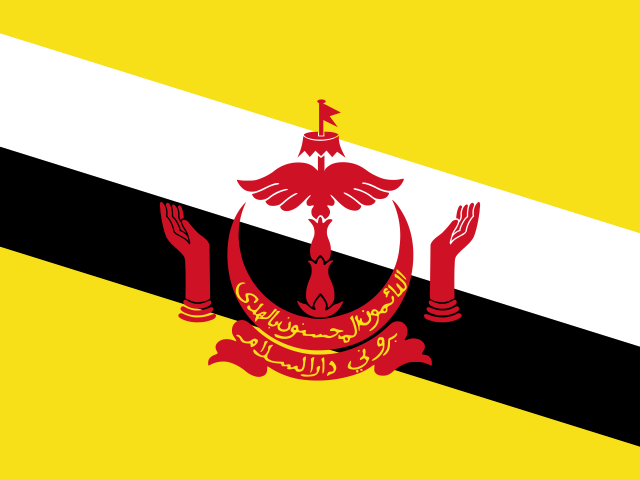
Brunei Darussalam
In 2014, Brunei adopted a strategic plan to achieve 10% share of renewables in the national energy mix by 2035. The plan provides the outline to introduce renewable energy policy and regulatory frameworks and to scale-up market deployment of solar PV.
- Overview
- Energy mix
- Emissions
- Electricity
-
+ 5 pages

![Brunei Darussalam Flag]()
-
Bulgaria
Bulgaria adopted The Energy from Renewable Sources Act in 2011. The Act regulates the generation and consumption of energy from renewable sources with the aim of achieving the national targets in terms of renewable energy use in final gross energy consumption.
- Overview
- Energy mix
- Emissions
- Electricity
-
+ 5 pages
![Bulgaria Flag]()
-
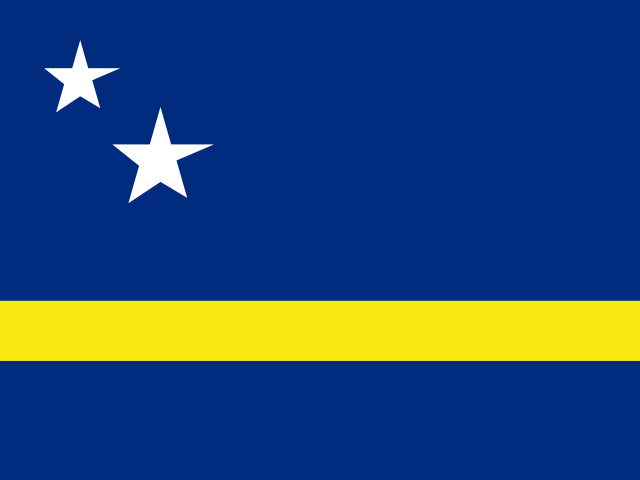
Curacao
Curacao
- Overview
- Energy mix
- Emissions
- Electricity
-
+ 5 pages

![Curacao Flag]()