-
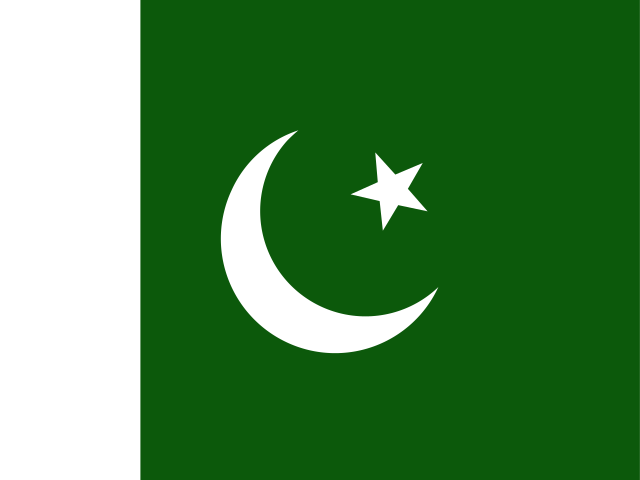
Pakistan
In Pakistan, most of the primary energy supply comes from oil and natural gas. Hydropower is the main renewable source of energy in the country but wind and solar PV’s shares are slowly growing. More than 40 million people remain without access to electricity and half the population lack access to clean cooking facilities.
- Overview
- Energy mix
- Emissions
- Electricity
-
+ 5 pages

![Pakistan Flag]()
-
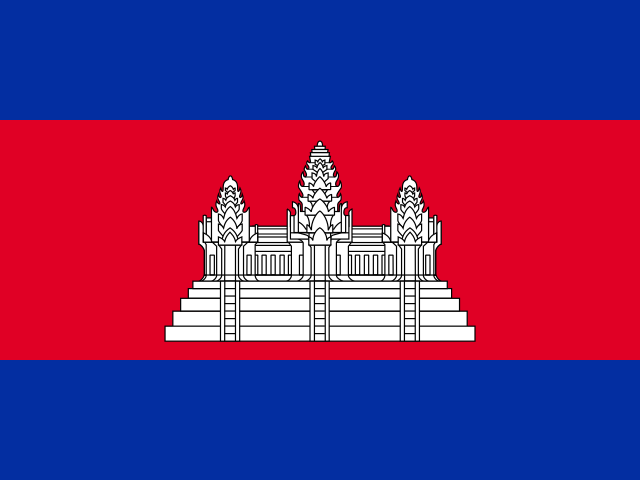
Cambodia
Cambodia’s electrification rate is the second-lowest among South East Asian countries. Cambodia plans to increase its power generation capacity by building hydropower and coal-fired plants by 2025, which can contribute to improve self-sufficiency of power supply.
- Overview
- Energy mix
- Emissions
- Electricity
-
+ 5 pages
![Cambodia Flag]()
-
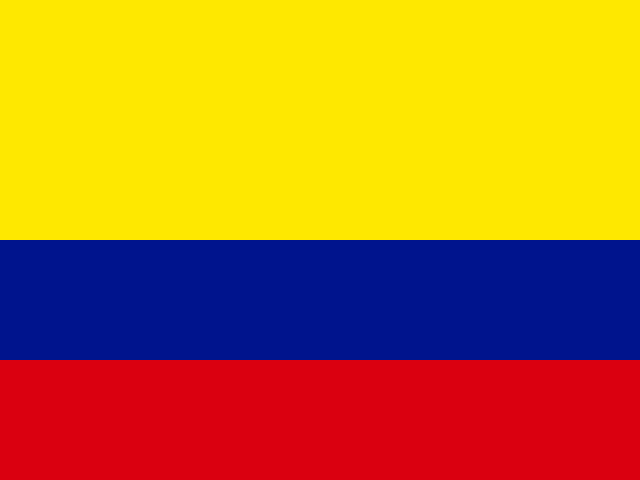
Colombia
Colombia launched the Energy Plan 2050 in 2016 , which aims to diversify the country’s energy resources and ensure a reliable energy supply by including wind power plants, solar PV and geothermal energy generation in the country's electric mix.
- Overview
- Energy mix
- Emissions
- Electricity
-
+ 5 pages

![Colombia Flag]()
-
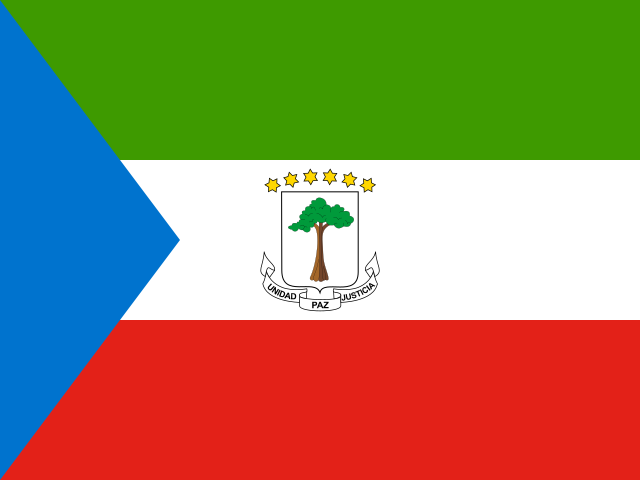
Equatorial Guinea
Electrification rates are relatively high in Equatorial Guinea at 66%. The country began oil production in the late 1990s and began LNG exports in 2007.
- Overview
- Energy mix
- Emissions
- Electricity
-
+ 5 pages

![Equatorial Guinea Flag]()
-
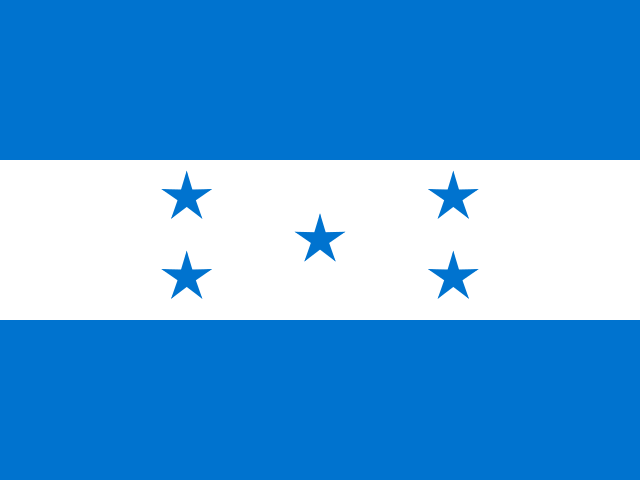
Honduras
In 2014, Honduras approved a new Law of Electrical Industry, which establishes technology-specific auctions for renewable energy. 75% of the population has access to electricity in the country and only 48% can rely on clean cooking facilities.
- Overview
- Energy mix
- Emissions
- Electricity
-
+ 5 pages
![Honduras Flag]()
-
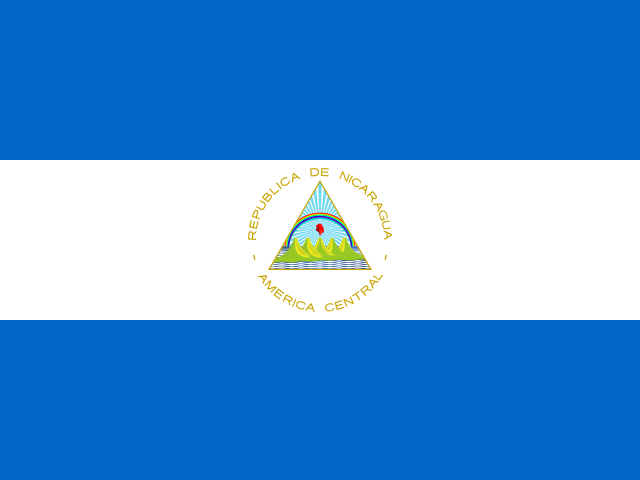
Nicaragua
The National Energy Policy of Nicaragua establishes a policy framework for the development and exploitation of renewable sources. The law sets the objective of prioritizing the use of renewable energy in the national energy mix and of stabilizing energy prices using renewables.
- Overview
- Energy mix
- Emissions
- Electricity
-
+ 5 pages
![Nicaragua Flag]()
-
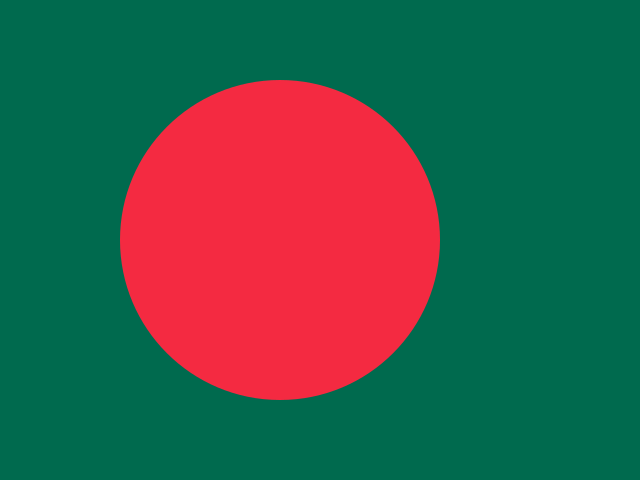
Bangladesh
In Bangladesh, electricity is available for 85% of the population, up from 20% in 2000. Gas accounts for the majority of the country’s electricity production, even though wind, hydropower and solar PV shares are growing. Bangladesh has also implemented energy policy incentives towards the deployment of renewables.
- Overview
- Energy mix
- Emissions
- Electricity
-
+ 5 pages
![Bangladesh Flag]()
-
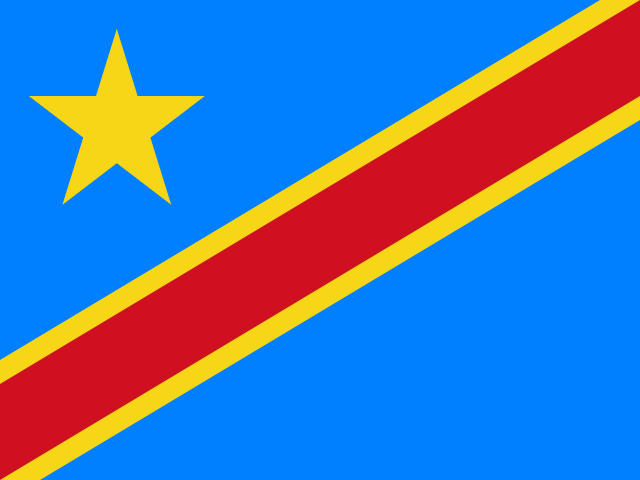
Democratic Republic of the Congo
The Democratic Republic of the Congo has huge hydropower potential while also dealing with extreme energy poverty. Foreign investors are currently partially lifting constraints on the country’s hydropower capacity, which is bringing down the costs of power supply and reducing the share of oil-fired power.
- Overview
- Energy mix
- Emissions
- Electricity
-
+ 5 pages
![Democratic Republic of the Congo Flag]()
-
Panama
Panama's National Energy Plan 2015–2050 outlines long-term strategy for the country’s energy sector development, including renewables. The Plan established that 15% of Panama’s generation capacity will come from renewables by 2030 and 50% by 2050.
- Overview
- Energy mix
- Emissions
- Electricity
-
+ 5 pages
![Panama Flag]()
-
Chinese Taipei
The Taiwanese government enacted in the late 2010s the Statute for Renewable Energy Development to reduce CO2 emissions, improve energy diversification and promote green-energy industries. The government is seeking to generate 8% of electricity from renewables by 2025.
- Overview
- Energy mix
- Emissions
- Electricity
-
+ 5 pages
![Chinese Taipei Flag]()