-
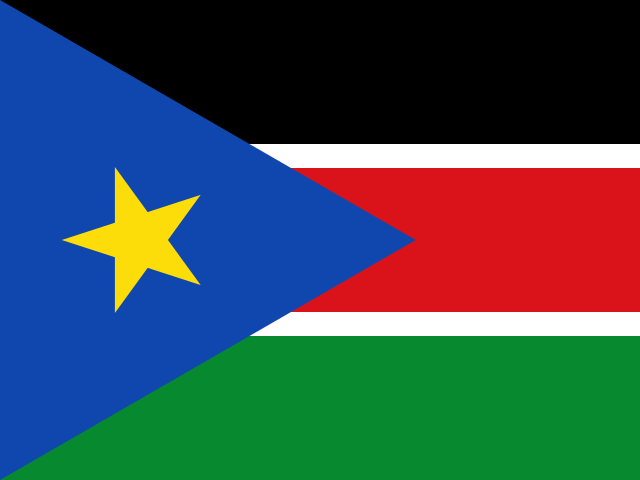
South Sudan
South Sudan is one of Eastern Africa's major oil resource holders but exported more than 85% of its production in 2014. Only 1% of the population had access to electricity in the country in 2017.
- Overview
- Energy mix
- Emissions
- Electricity
-
+ 5 pages

![South Sudan Flag]()
-
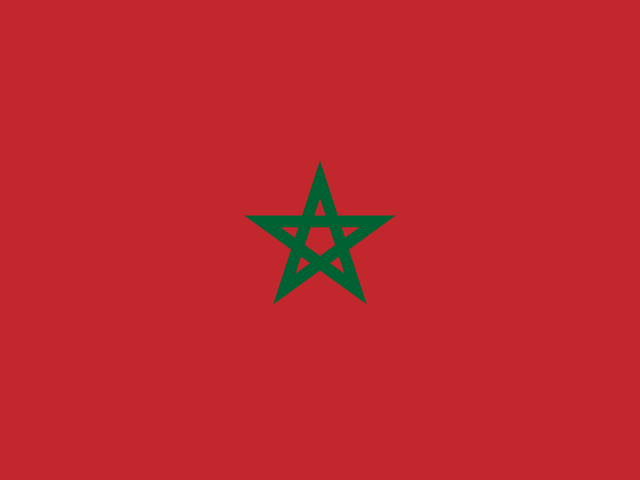
Morocco
The government has stepped up its role in international action on climate change, ratifying the Paris Agreement, setting a new national climate policy and hosting the United Nations Conference of Parties (COP22) summit in Marrakesh in 2016.
The development of renewables is helping to improve energy security as well as deliver on Morocco’s clean energy and climate change commitments. Morocco is making strong progress towards affordable, reliable, sustainable and modern energy in line with the United Nations Sustainable Development Goals (SDG 7). The government has achieved almost full access to electricity for its rural population, and it is developing…- Overview
- Energy mix
- Emissions
- Electricity
-
+ 5 pages
![Morocco Flag]()
-
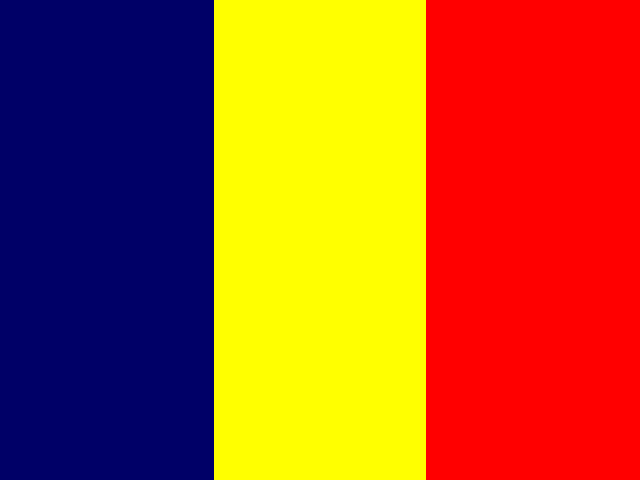
Chad
In Chad, only 4% of the population has access to electricity. This goes hand-in-hand with low rates of access to basic services such as drinking water, basic sanitation and paved roads. Meanwhile, crude oil has become the country’s primary source of export earnings. In 2019, Chad’s energy mix was dominated by biofuels and wastes (85%) with oil products accounting for the rest of the total energy supply. In 2020, less than 5% of the population had access to clean cooking and 8% had access to electricity. The electrification rate is one of the lowest in Sub…
- Overview
- Energy mix
- Emissions
- Electricity
-
+ 5 pages
![Chad Flag]()
-
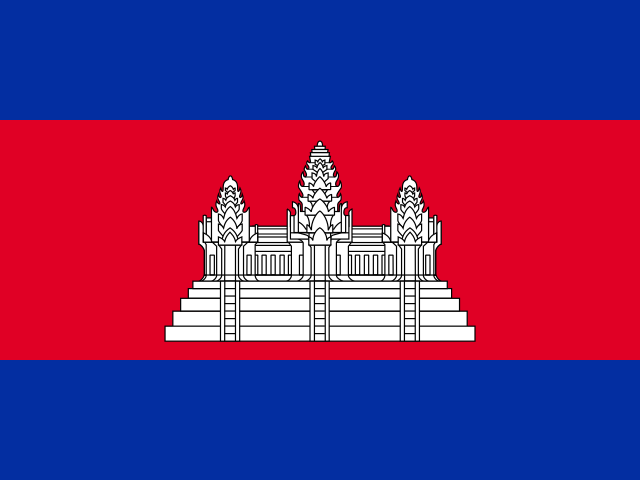
Cambodia
Cambodia’s electrification rate is the second-lowest among South East Asian countries. Cambodia plans to increase its power generation capacity by building hydropower and coal-fired plants by 2025, which can contribute to improve self-sufficiency of power supply.
- Overview
- Energy mix
- Emissions
- Electricity
-
+ 5 pages

![Cambodia Flag]()
-
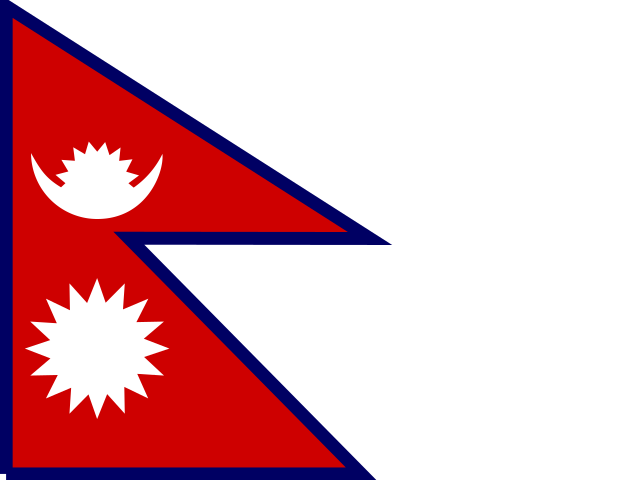
Nepal
Almost the totality of the electricity generated in Nepal comes from hydropower. Most of the energy supply is from biofuels and waste as 21 million people still rely on traditional biomass for cooking. In 2000, 81% did not have access to electricity but with remarkable efforts from the government, only 6% of the population remain without access today.
- Overview
- Energy mix
- Emissions
- Electricity
-
+ 5 pages
![Nepal Flag]()
-
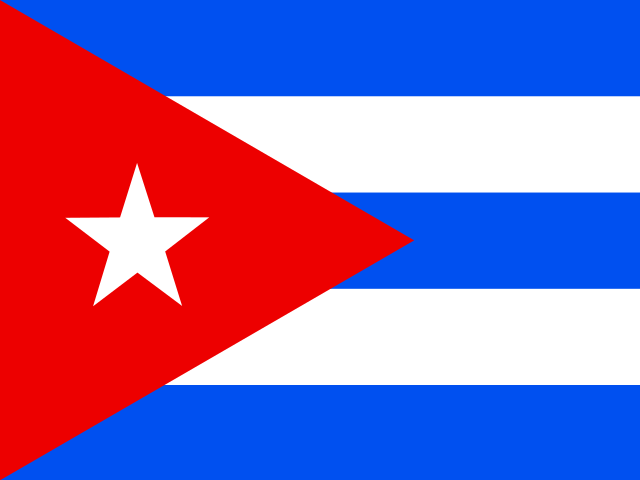
Cuba
Cuba’s energy supply mainly comes from oil products, accounting for over 80% of power generation.
- Overview
- Energy mix
- Emissions
- Electricity
-
+ 5 pages

![Cuba Flag]()
-
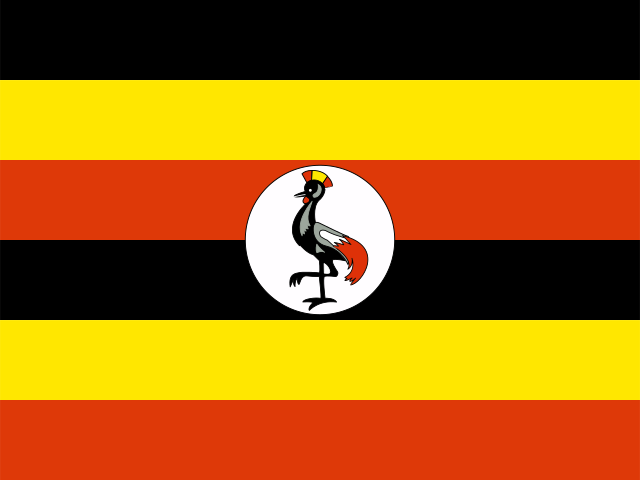
Uganda
In 2019, Uganda’s energy mix was dominated by fuel wood and charcoal followed by a small share of oil products. The country produces electricity mainly from hydroelectric plants. Between 2017 and 2019, electrification outpaced population growth in Uganda. However in 2020, less than 5% of the population had access to clean cooking.
The Electricity Connection Policy was introduced in 2018 with the ambition of increasing Uganda’s electricity access to 60 percent by 2027 through connection subsidies for consumers located close to the existing network. About 300,000 households and businesses have received free electricity connections, benefiting 1.5…- Overview
- Energy mix
- Emissions
- Electricity
-
+ 5 pages
![Uganda Flag]()
-
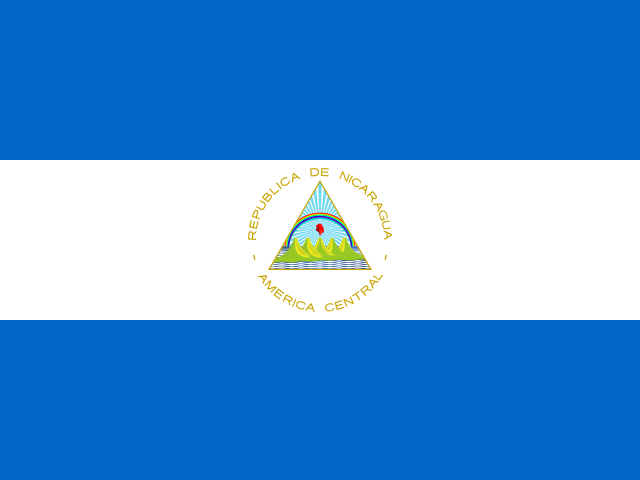
Nicaragua
The National Energy Policy of Nicaragua establishes a policy framework for the development and exploitation of renewable sources. The law sets the objective of prioritizing the use of renewable energy in the national energy mix and of stabilizing energy prices using renewables.
- Overview
- Energy mix
- Emissions
- Electricity
-
+ 5 pages
![Nicaragua Flag]()
-
Mali
In recent years, the rate of access to electricity in Mali has surpassed 25%, thanks to a public focus on mini-grid solutions. The government of Mali now plans to increase hybridisation of its mini-grids by adding PV capacity to diesel power plants. In 2019, Mali’s energy mix was dominated by biofuels and wastes (65%) and oil products (32%), with coal and hydro accounting for the rest. In 2020, less than 5% of the population had access to clean cooking and 52% had access to electricity. For electricity access, the country targets 70% access by 2025, 80% by…
- Overview
- Energy mix
- Emissions
- Electricity
-
+ 5 pages
![Mali Flag]()
-
Madagascar
Around a quarter of the population of Madagascar has access to electricity, and only 1.5% has access to clean cooking facilities. In 2019, Madagascar’s energy mix was dominated by biofuels and wastes (85%), with oil products (11%), coal and hydro accounting for the rest of the total energy supply. In 2020, less than 5% of the population had access to clean cooking and 27% had access to electricity. The Government of Madagascar has set a target of reaching 70% electricity access rate by 2030.
- Overview
- Energy mix
- Emissions
- Electricity
-
+ 5 pages
![Madagascar Flag]()