-
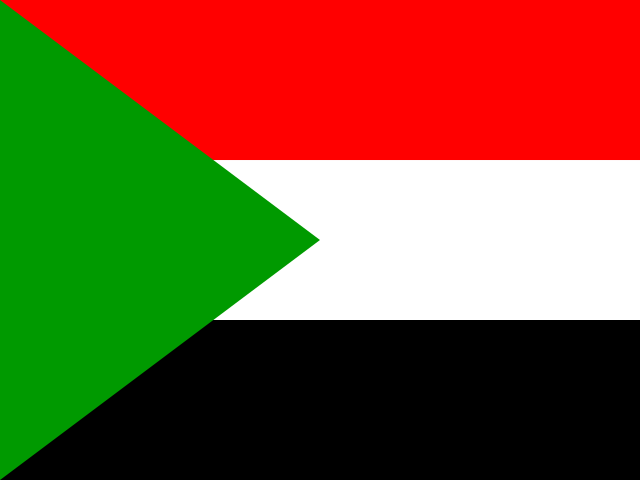
Sudan
Most of Sudan’s electricity generation comes from hydropower, and more than half of the Eastern African region’s total oil-based capacity is located in the country. Sudan is also contemplating scaling up projects on solar power in the coming years.
- Overview
- Energy mix
- Emissions
- Electricity
-
+ 5 pages

![Sudan Flag]()
-
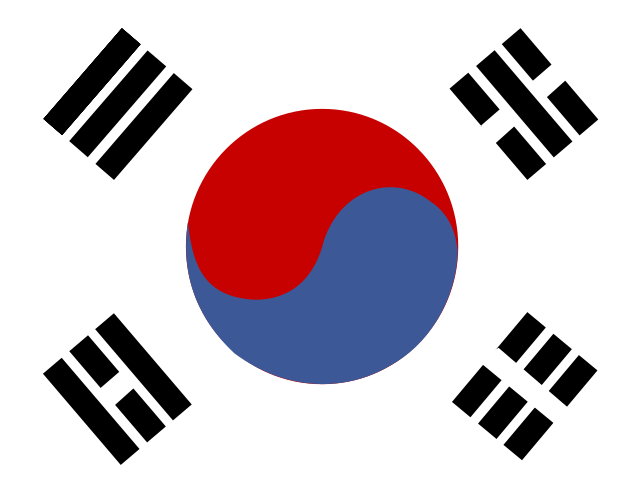
Korea
Korea has set a target of reaching carbon neutrality by 2050 by substantially increasing the share of renewable energy sources, gradually phasing out coal, significantly improving energy efficiency and fostering the country’s nascent hydrogen industry. Korea’s energy sector is characterised by a dominance of fossil fuels, a strong dependence on energy imports and one of the highest shares of industrial energy use among IEA countries. Korea aims to leverage the fourth industrial revolution for its energy transition and to foster green growth by means of low-carbon technologies and clean energy. Due to Korea’s high share of…
- Overview
- Energy mix
- Emissions
- Electricity
-
+ 5 pages

![Korea Flag]()
-
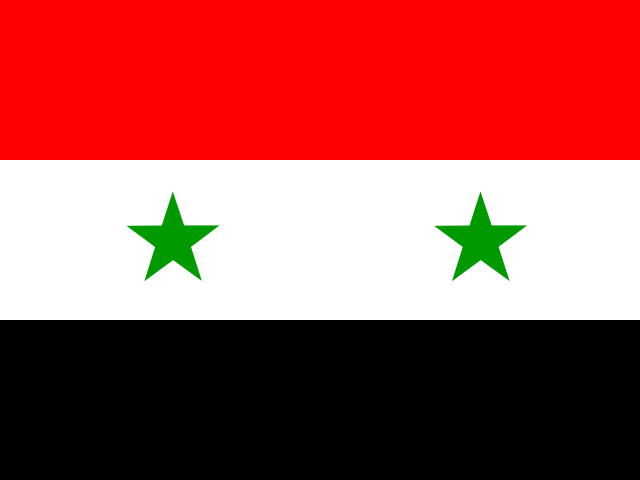
Syria
The 2009 Syrian Law on Energy Conservation aims to fulfil the sustainable development requirements of the country and deploy various renewable energy applications. Private and public institutions must commit to energy efficiency practices, use renewables and high energy- efficiency equipment.
- Overview
- Energy mix
- Emissions
- Electricity
-
+ 5 pages

![Syria Flag]()
-
Madagascar
Around a quarter of the population of Madagascar has access to electricity, and only 1.5% has access to clean cooking facilities. In 2019, Madagascar’s energy mix was dominated by biofuels and wastes (85%), with oil products (11%), coal and hydro accounting for the rest of the total energy supply. In 2020, less than 5% of the population had access to clean cooking and 27% had access to electricity. The Government of Madagascar has set a target of reaching 70% electricity access rate by 2030.
- Overview
- Energy mix
- Emissions
- Electricity
-
+ 5 pages
![Madagascar Flag]()
-
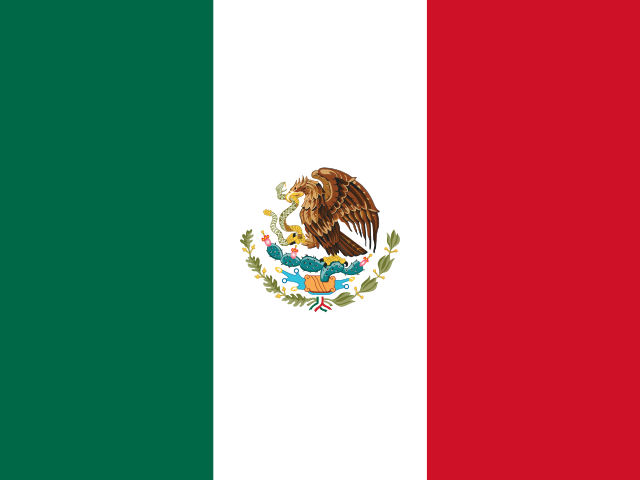
Mexico
Mexico’s energy and economic profile presents both challenges and opportunities as a major oil producer, exporter and through its growing domestic energy demand. Mexico was the first large oil producing emerging economy to adopt climate legislation in 2012 and has seen growth in renewable electricity generation from wind and solar, which almost tripled from 2015 to 2022. However, strong action is needed across all sectors to reduce reliance on fossil fuels and bring down greenhouse gas emissions.
- Overview
- Energy mix
- Emissions
- Electricity
-
+ 5 pages

![Mexico Flag]()
-
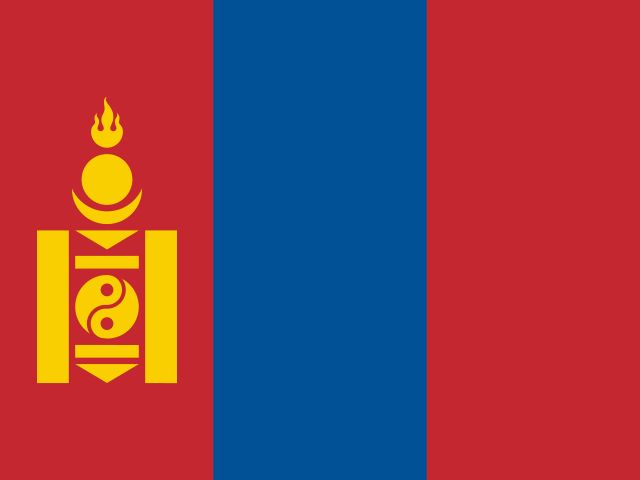
Mongolia
Coal is the first source of electricity generation in Mongolia, but the country has recently begun using hydro, solar and wind power, and has adopted a law aiming to increase and regulate the use of renewables.
- Overview
- Energy mix
- Emissions
- Electricity
-
+ 5 pages
![Mongolia Flag]()
-
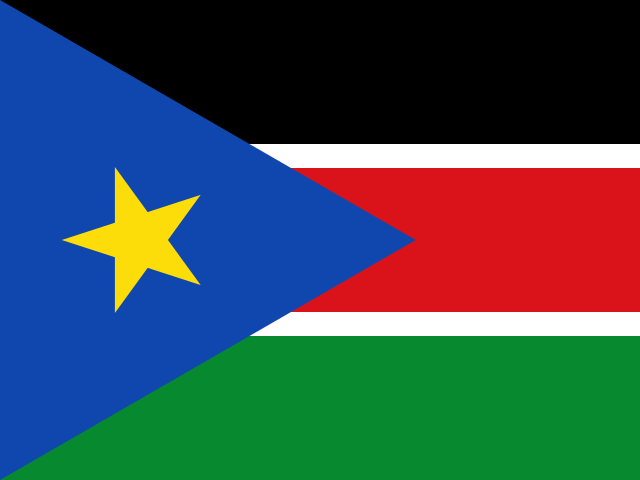
South Sudan
South Sudan is one of Eastern Africa's major oil resource holders but exported more than 85% of its production in 2014. Only 1% of the population had access to electricity in the country in 2017.
- Overview
- Energy mix
- Emissions
- Electricity
-
+ 5 pages
![South Sudan Flag]()
-
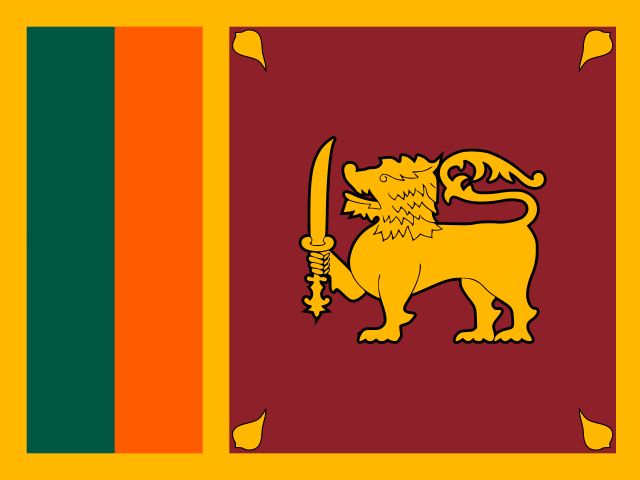
Sri Lanka
Sri Lanka’s primary energy supply mainly comes from oil and coal. Almost 40% of Sri Lanka’s electricity came from hydropower in 2017 but coal’s shares in power generation has been increasing since 2010. Sri Lanka is reaching universal access to electricity but clean cooking remain an issue with 15 million people still relying on biomass to cook.
- Overview
- Energy mix
- Emissions
- Electricity
-
+ 5 pages
![Sri Lanka Flag]()
-
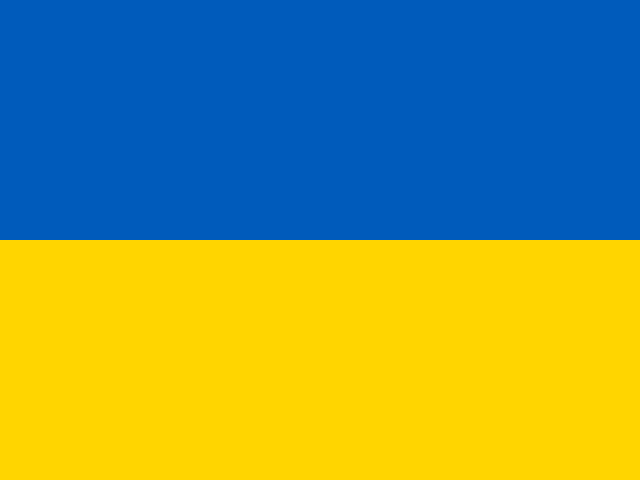
Ukraine
Ukraine is a key country for European and global energy security. Russia’s invasion of Ukraine has pushed it to fundamentally reshape its past dependence on energy imports from Russia.
As the invasion continues, Ukraine is focused on tracking large-scale energy supply disruptions and actively working to recover power and heating for civilians. It is also putting together an ambitious recovery and reconstruction plan, with a strong focus on energy security. In the medium-term, Ukraine’s energy strategy remains focused on European integration, while it aims to an energy system that is ready for a Net Zero future…- Overview
- Energy mix
- Emissions
- Electricity
-
+ 5 pages

![Ukraine Flag]()
-
Burkina Faso
In 2019, Burkina Faso’s energy mix was dominated by biofuels and wastes, with oil products accounting for one-third of the total energy supply. In 2020, 11% of the population had access to clean cooking and only 21% had access to electricity, making Burkina Faso one of the world’s least-electrified countries. For electricity, the country has a target of 95% access for urban areas and 50% for rural areas by 2030. For clean cooking, Burkina Faso has a universal access target for urban areas and 65% in rural areas by 2030. The target for LPG urban penetration…
- Overview
- Energy mix
- Emissions
- Electricity
-
+ 5 pages
![Burkina Faso Flag]()