-
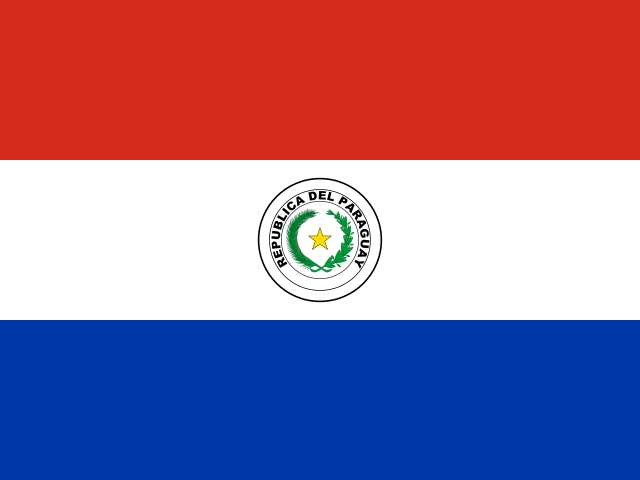
Paraguay
Paraguay established renewable energy targets in its National Development Plan 2014–2030. The country’s goal is to reach 60% of renewable energy in total energy consumption by 2030. By the same year, Paraguay aims to reduce by 20% the share of fossil fuel within its total energy consumption.
- Overview
- Energy mix
- Emissions
- Electricity
-
+ 5 pages

![Paraguay Flag]()
-
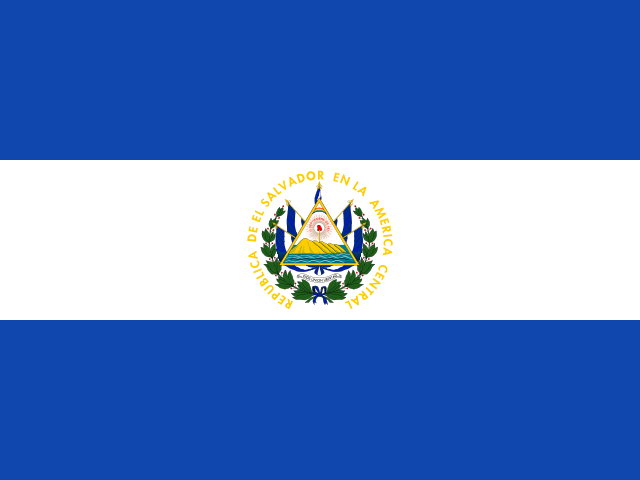
El Salvador
The National Energy Policy to 2024 of El Salvador guides the national actions on energy, following main principles: ensure high quality level and continuous and affordable energy access, decrease fossil fuel dependency and mitigate environmental and social impacts of energy projects.
- Overview
- Energy mix
- Emissions
- Electricity
-
+ 5 pages
![El Salvador Flag]()
-
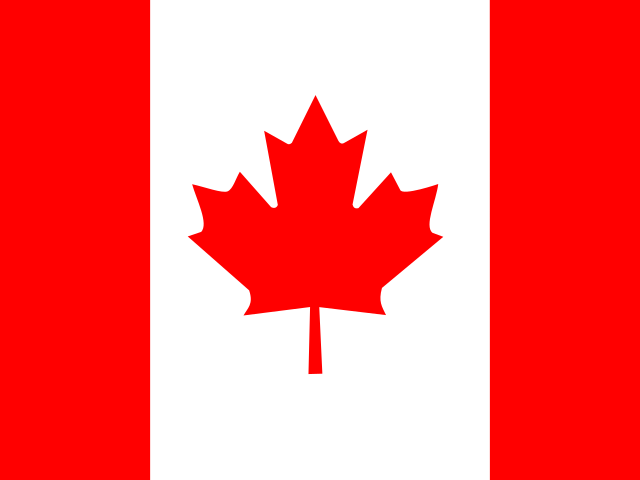
Canada
Canada has set an ambitious target to cut greenhouse gas emissions by 40-45% from 2005 levels by 2030 and to reach net zero emissions by 2050. Canada’s energy and economic profile presents both challenges and opportunities to achieving these targets given its profile as a major producer, consumer and exporter of energy. Energy production and use in Canada accounts for over 80% of the country’s GHG emissions, with oil and gas production alone accounting for around a quarter. Canada’s electricity system is already among the cleanest in the world, with heavy dominance of hydropower as well…
- Overview
- Energy mix
- Emissions
- Electricity
-
+ 5 pages

![Canada Flag]()
-
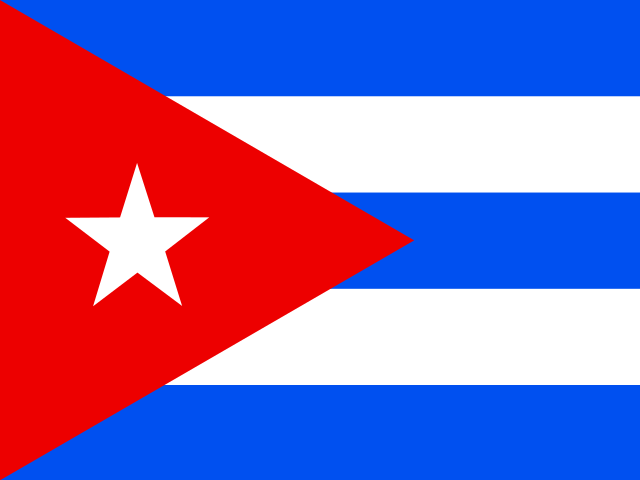
Cuba
Cuba’s energy supply mainly comes from oil products, accounting for over 80% of power generation.
- Overview
- Energy mix
- Emissions
- Electricity
-
+ 5 pages
![Cuba Flag]()
-
Democratic Republic of the Congo
The Democratic Republic of the Congo has huge hydropower potential while also dealing with extreme energy poverty. Foreign investors are currently partially lifting constraints on the country’s hydropower capacity, which is bringing down the costs of power supply and reducing the share of oil-fired power.
- Overview
- Energy mix
- Emissions
- Electricity
-
+ 5 pages

![Democratic Republic of the Congo Flag]()
-
Cambodia
Cambodia’s electrification rate is the second-lowest among South East Asian countries. Cambodia plans to increase its power generation capacity by building hydropower and coal-fired plants by 2025, which can contribute to improve self-sufficiency of power supply.
- Overview
- Energy mix
- Emissions
- Electricity
-
+ 5 pages

![Cambodia Flag]()
-
Cote D’Ivoire
Most of Cote d'Ivoire's primary energy demand is covered by local oil refinery supplies and domestic gas production. Almost 60% of the population had access to electricity in the country in 2017, a 10-percentage point’s increase from 2015.
- Overview
- Energy mix
- Emissions
- Electricity
-
+ 5 pages
![Cote D’Ivoire Flag]()
-
Slovenia
Slovenia has put in place a National Renewable Action Plan to 2020, which targets a 25% share of energy generation from renewable sources in gross final energy consumption and 39% of electricity demand met by electricity generated from renewable energy sources.
- Overview
- Energy mix
- Emissions
- Electricity
-
+ 5 pages

![Slovenia Flag]()
-
Georgia
Georgia has developed an energy sector based largely on hydropower and fuelwood, in addition to imports of fossil fuels. It is also an important transit country for the region, with major oil and gas pipelines running across Georgian territory. Efforts are required to improve energy efficiency and capitalise on the country’s renewable energy potential.
Georgia has made solid progress in the past decade, both in improving the security of its energy supply and in transitioning to a cleaner, more sustainable energy system. Although Georgia is still confronted with many challenges in its transition to a more secure, sustainable and…- Overview
- Energy mix
- Emissions
- Electricity
-
+ 5 pages

![Georgia Flag]()
-
Rwanda
Rwanda included strong commitments to its intended nationally determined contribution (INDC) to the Paris Agreement. The country plans to increase its carbon sink capacity through sustainable forest management practices and to reduce emissions from the agricultural sector. In 2019, Rwanda’s energy mix was dominated by biomass and waste (74%) and oil products (20%), while natural gas, coal and hydro account for the rest of the energy supply. In 2020, less than 5% of the population had access to clean cooking and 50% had access to electricity. With annual access growth of more than 3 percentage points, Rwanda has shown…
- Overview
- Energy mix
- Emissions
- Electricity
-
+ 5 pages
![Rwanda Flag]()