-
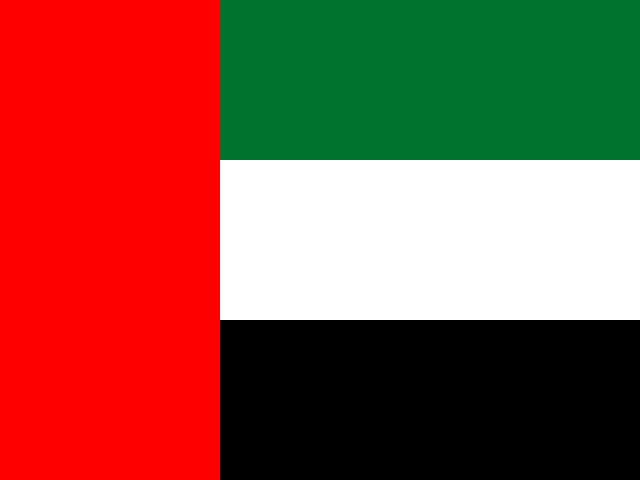
United Arab Emirates
The majority of the energy produced in the United Arab Emirates is from natural gas and oil. The country is also a major exporter of oil and gas and it started using its strong solar PV potential in 2014 to produce electricity.
- Overview
- Energy mix
- Emissions
- Electricity
-
+ 5 pages

![United Arab Emirates Flag]()
-
Uzbekistan
Despite being energy self-sufficient thanks to its gas sector, Uzbekistan's ageing infrastructure struggles to meet growing domestic demand. Losses, overuse and financing remain problematic. Wide-ranging reforms focused on improving and diversification the energy sector are being introduced and the government has adopted the Strategy of Actions 2017-2021, which prioritizes improving energy efficiency and increasing generating capacity and use of renewables. Uzbekistan is part of the EU4Energy Programme, an initiative focused on evidence-based policymaking for the energy sector.
- Overview
- Energy mix
- Emissions
- Electricity
-
+ 5 pages

![Uzbekistan Flag]()
-
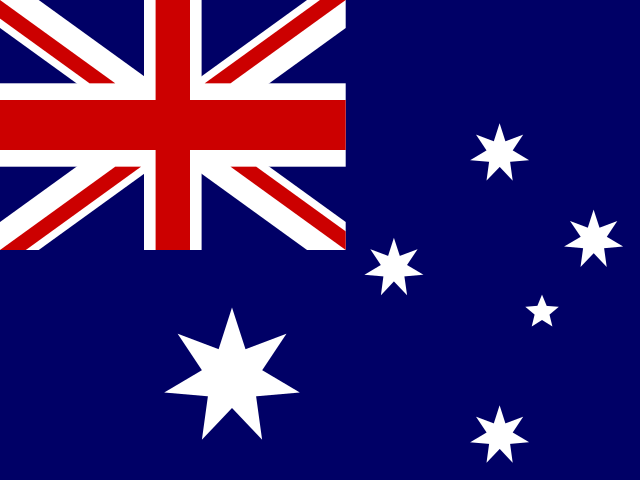
Australia
Established under the 2022 Climate Change Act, Australia's climate goals include doubling emissions reductions by 2030 and reaching Net Zero emissions by 2050, while ensuring a just and inclusive energy transition through the guidance of the Net Zero Authority under the Prime Minister’s office. By 2030, the government aims to reach the clean electricity target of 82% of renewable energy. In addition to this target, Australia is implementing a new 2030 critical minerals strategy and gas market reforms to boost energy security during the transition. Flexibility, fuel availability and resilient infrastructure will become even more vital as Australia…
- Overview
- Energy mix
- Emissions
- Electricity
-
+ 5 pages

![Australia Flag]()
-
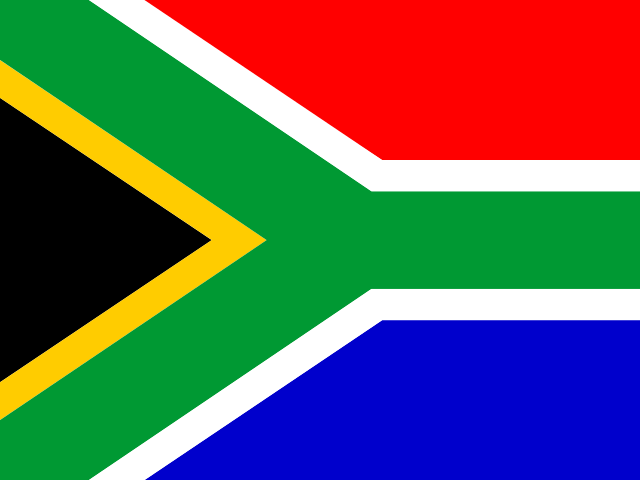
South Africa
Coal is the mainstay of the South African energy system, meeting around 70% of installed power generation capacity. The 2019 Integrated Resource Plan however sets out a long-term diversification of the power mix by 2030 and moves towards lightening the carbon footprint of the energy sector while meeting growing energy demand and ensuring a socio-economically just transition. While the options to diversify the country's electricity mix appear diverse, the affordability of electricity supply looms as a key concern and a potential constraint on diversification. The structure of consumption and of spending on electricity is skewed towards higher…
- Overview
- Energy mix
- Emissions
- Electricity
-
+ 5 pages

![South Africa Flag]()
-
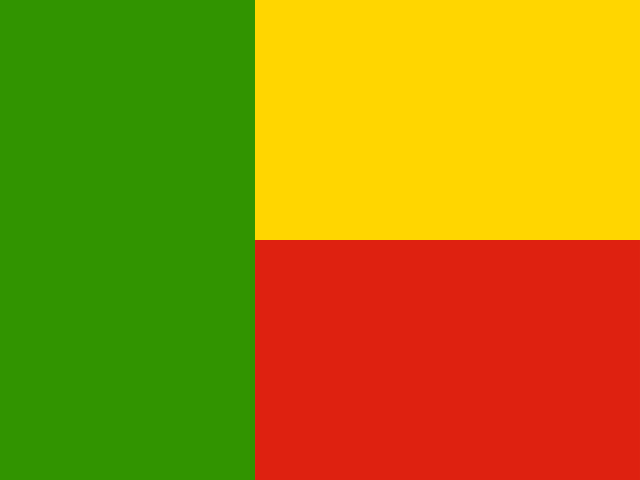
Benin
Benin is reliant on electricity imports for a significant share of its energy supply. Reform programmes, including plans for electrification, have been put in place in the country, where only 30% of the population had access to electricity in 2017.
- Overview
- Energy mix
- Emissions
- Electricity
-
+ 5 pages
![Benin Flag]()
-
Uruguay
In 2010 the Ministry of Energy, Mining and Industry of Uruguay approved Decree 354 on the Promotion of Renewable Energies meant to increase dramatically the share of electricity generation from renewable sources in the country.
- Overview
- Energy mix
- Emissions
- Electricity
-
+ 5 pages

![Uruguay Flag]()
-
New Zealand
New Zealand has a diversified energy mix, with significant production of both hydropower and geothermal. As the country embarks on an ambitious energy transition, it has many natural advantages, including a strong renewable resource base. New Zealand already has a low-emissions electricity system, with over 80% of electricity coming from renewable sources. The key challenge will be to decarbonise other end-use sectors through clean power and support investments in new technologies to achieve deeper emissions cuts across all sectors. Notably, the transport sector accounts for the highest share of emissions and is almost entirely dependent on oil while…
- Overview
- Energy mix
- Emissions
- Electricity
-
+ 5 pages
![New Zealand Flag]()
-
Honduras
In 2014, Honduras approved a new Law of Electrical Industry, which establishes technology-specific auctions for renewable energy. 75% of the population has access to electricity in the country and only 48% can rely on clean cooking facilities.
- Overview
- Energy mix
- Emissions
- Electricity
-
+ 5 pages
![Honduras Flag]()
-
Equatorial Guinea
Electrification rates are relatively high in Equatorial Guinea at 66%. The country began oil production in the late 1990s and began LNG exports in 2007.
- Overview
- Energy mix
- Emissions
- Electricity
-
+ 5 pages
![Equatorial Guinea Flag]()
-
Pakistan
In Pakistan, most of the primary energy supply comes from oil and natural gas. Hydropower is the main renewable source of energy in the country but wind and solar PV’s shares are slowly growing. More than 40 million people remain without access to electricity and half the population lack access to clean cooking facilities.
- Overview
- Energy mix
- Emissions
- Electricity
-
+ 5 pages
![Pakistan Flag]()